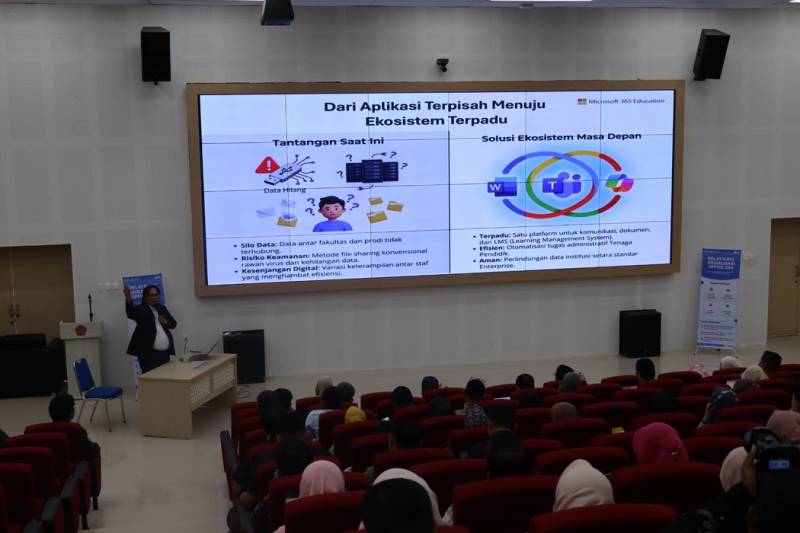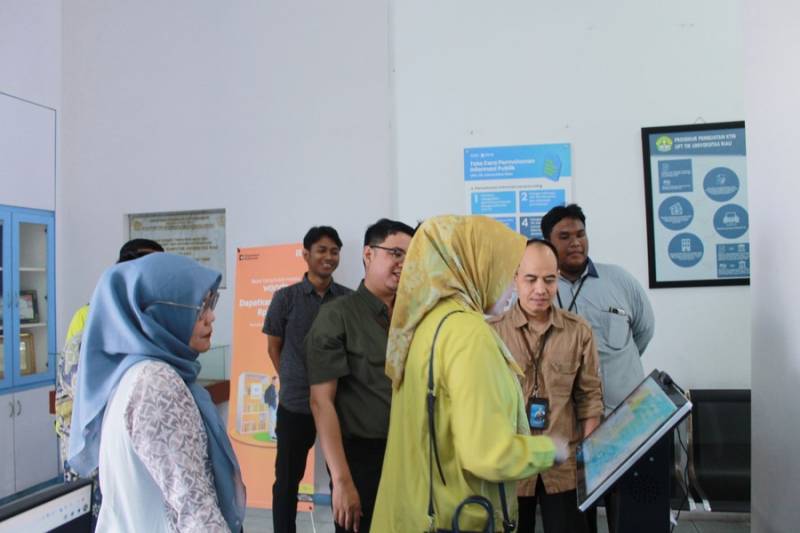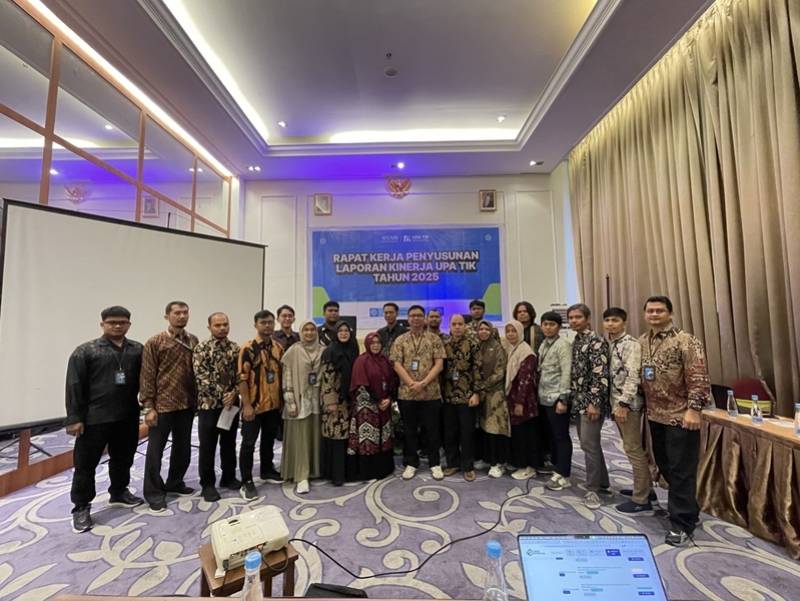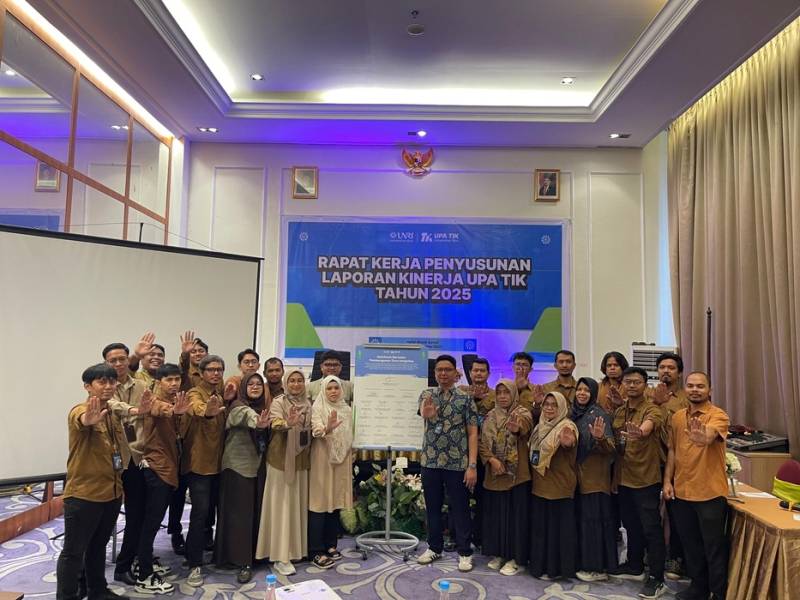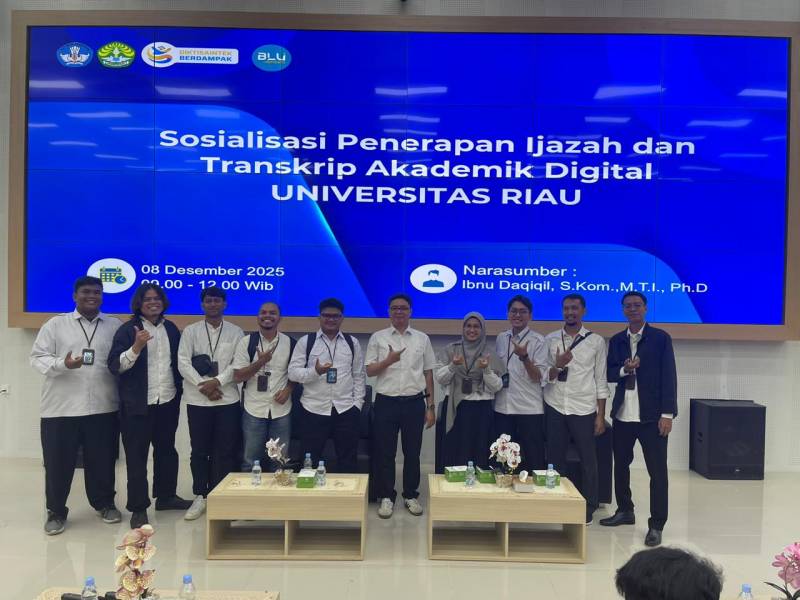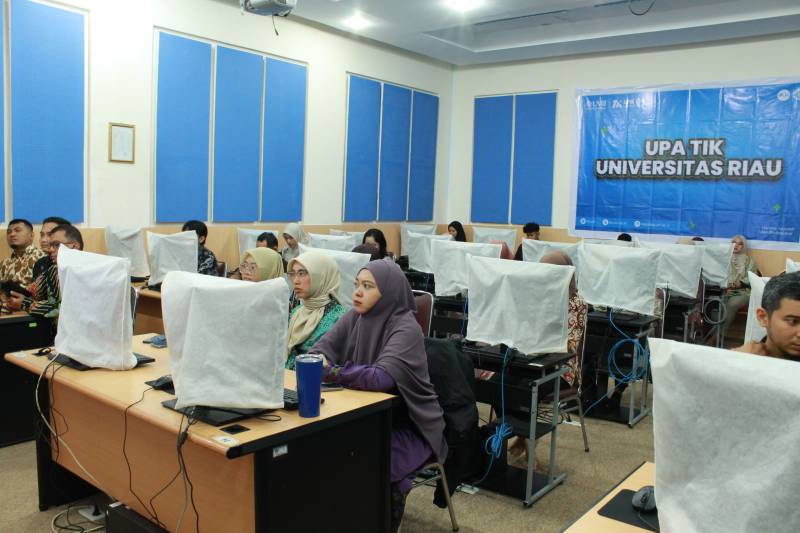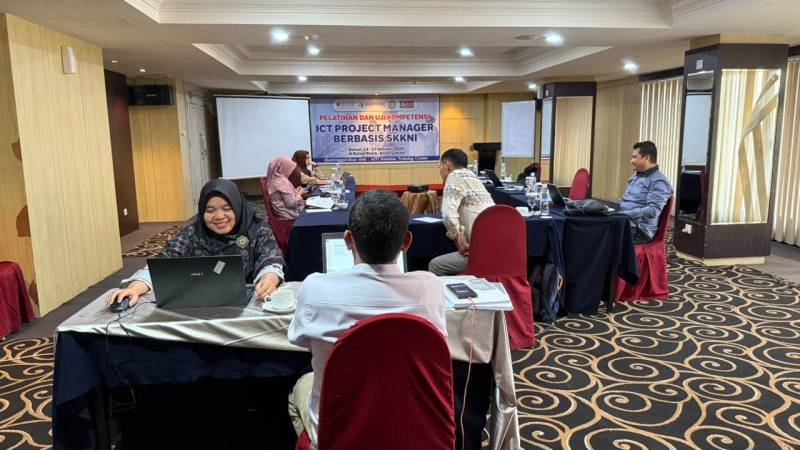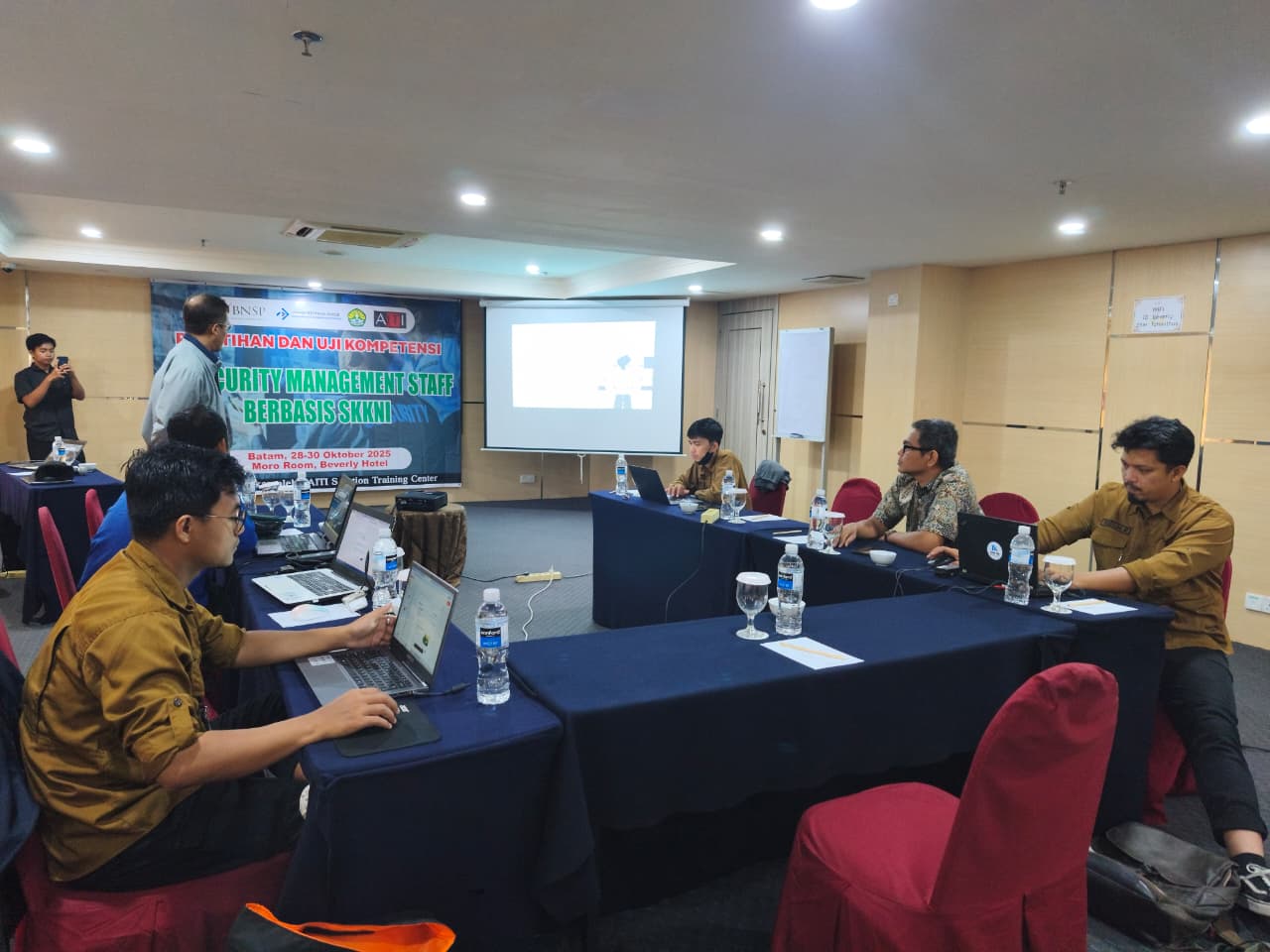
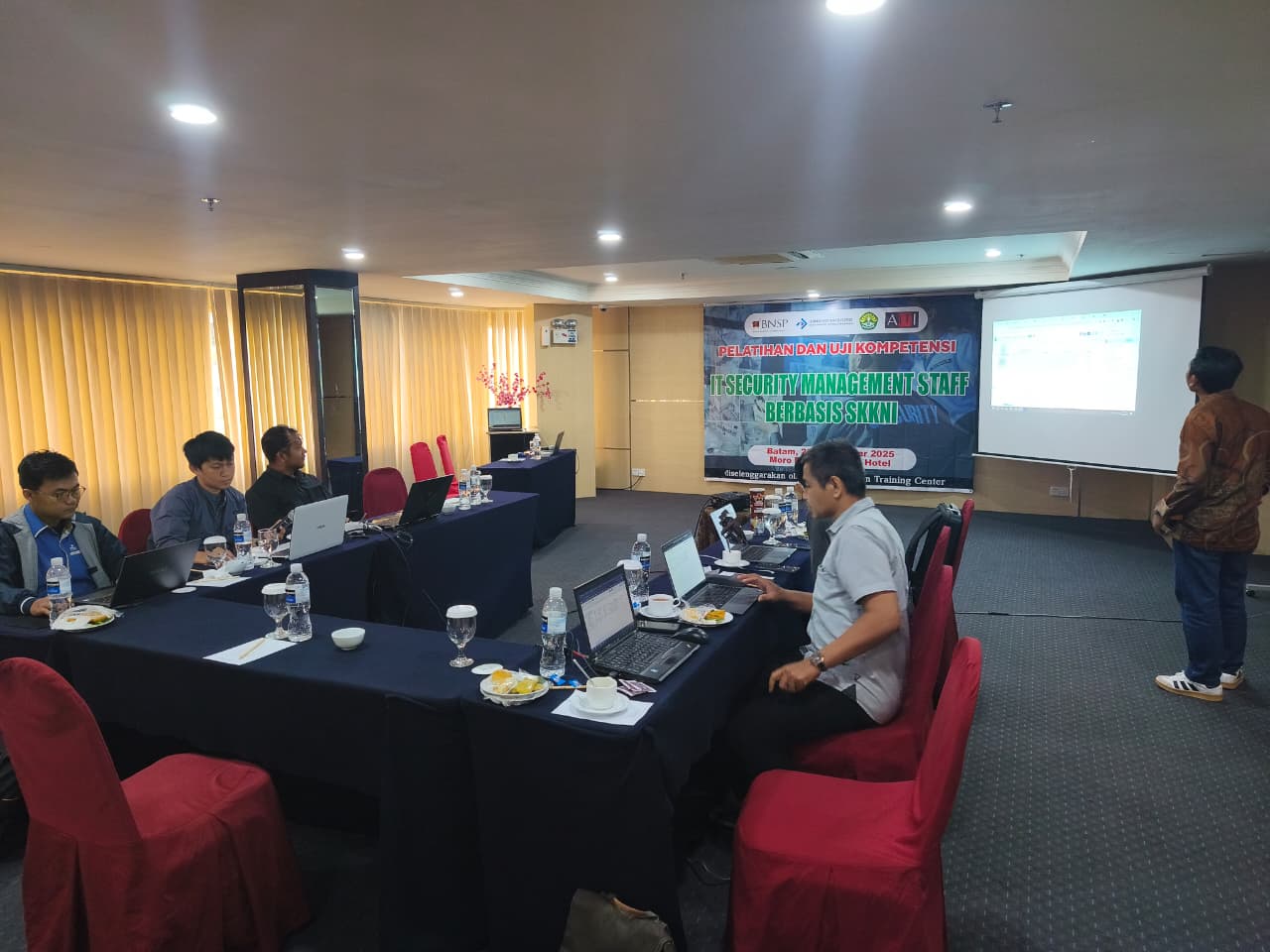
The IT Security Management Staff Training and Competency Assessment Based on SKKNI, held from October 28–30, 2025 at the Beverly Hotel, Batam, brought together professionals committed to strengthening information security management in their respective institutions. Organized by ATTI Solution Training Center and aligned with national competency standards set by BNSP and relevant professional certification bodies, the program provided comprehensive training aimed at improving staff readiness in managing security challenges in the digital era.
The training equipped participants with essential knowledge and practical skills related to device security, enabling them to understand potential threats, apply preventive measures, and implement best practices to protect organizational devices and data. Through hands-on instruction, participants learned to identify vulnerabilities, establish proper security configurations, and enhance overall device protection.
In addition to security practices, the program emphasized the importance of developing standardized Standard Operating Procedures (SOPs). Participants were guided on how to design clear, structured, and effective SOPs tailored to their organizational workflows. These procedures serve as a foundation for consistent and accountable operational practices, particularly in managing incidents and ensuring compliance with institutional and national standards.
The training also covered risk management, a crucial component in safeguarding information systems. Participants learned how to conduct risk mapping, assess impact levels, prioritize mitigation efforts, and formulate strategies to reduce potential operational disruptions. By understanding risk at both technical and managerial levels, staff members are better prepared to maintain organizational resilience against evolving threats.
This training and competency program marks a significant step in enhancing the human resource capabilities essential for robust information security governance. By aligning with SKKNI standards and fostering a deeper understanding of security best practices, participants are expected to implement the acquired skills within their work environments, contributing to safer, more reliable, and more resilient information systems across their institutions.
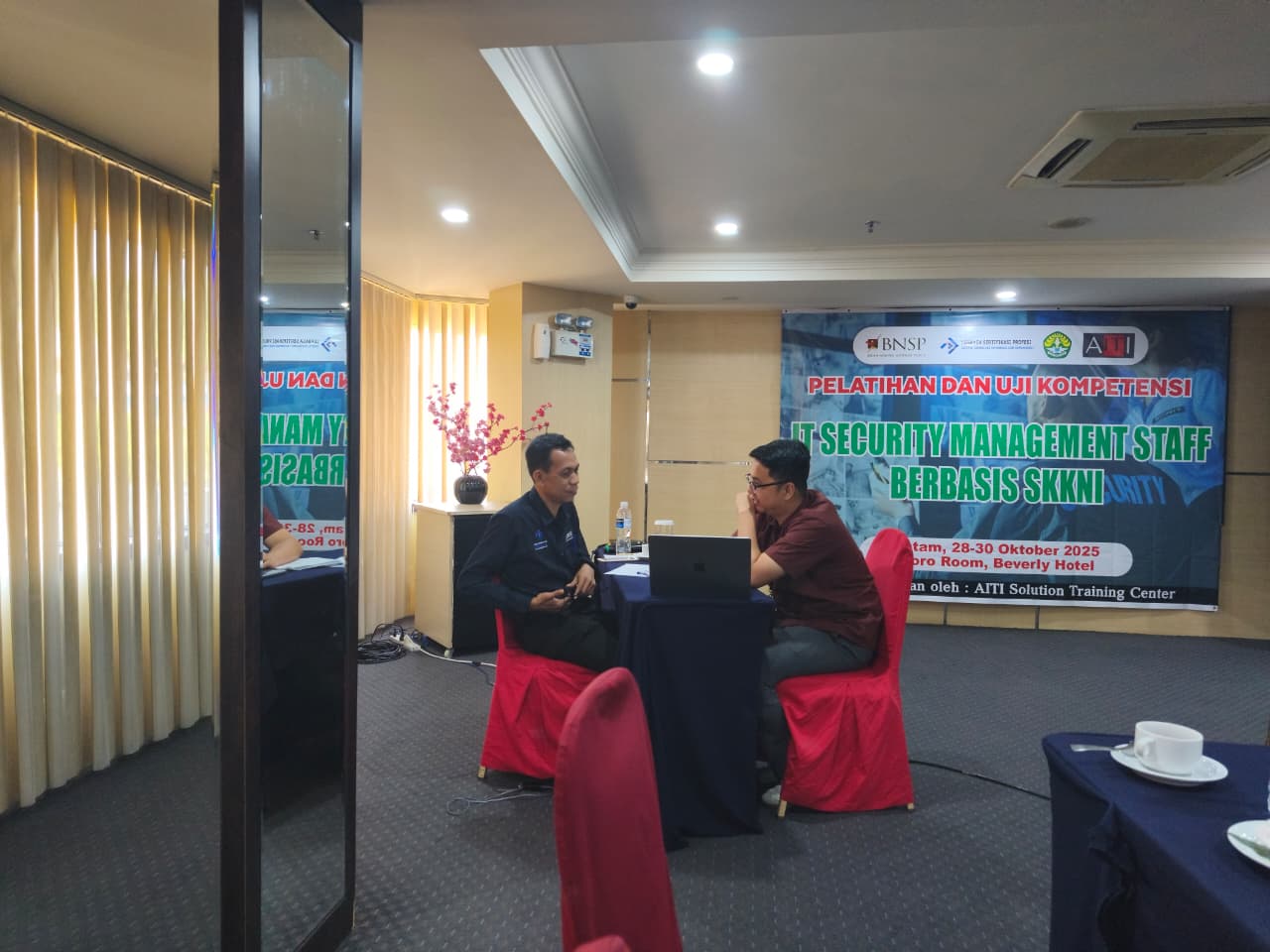
Source: UPA TIK Universitas Riau
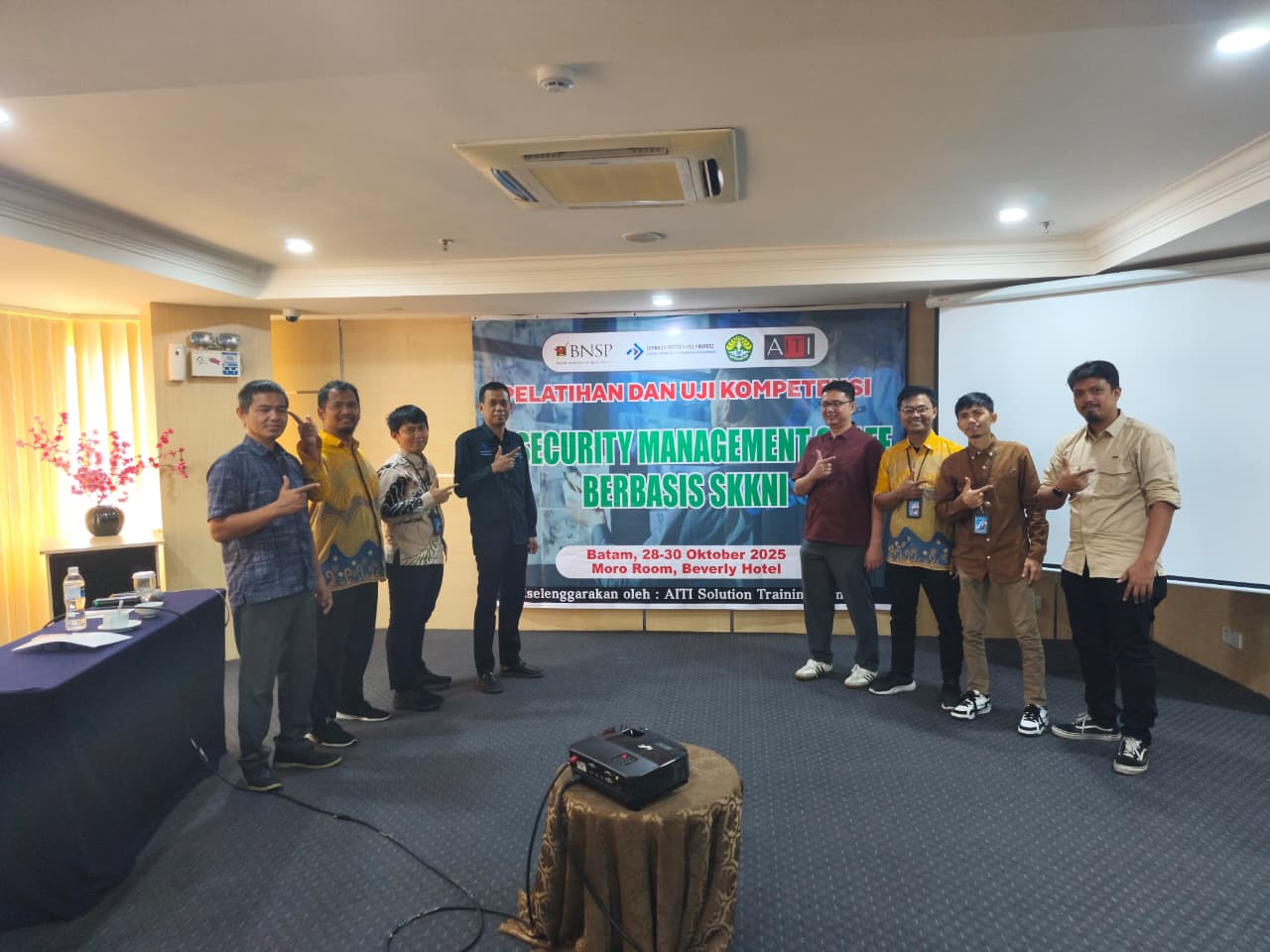
Source: UPA TIK Universitas Riau
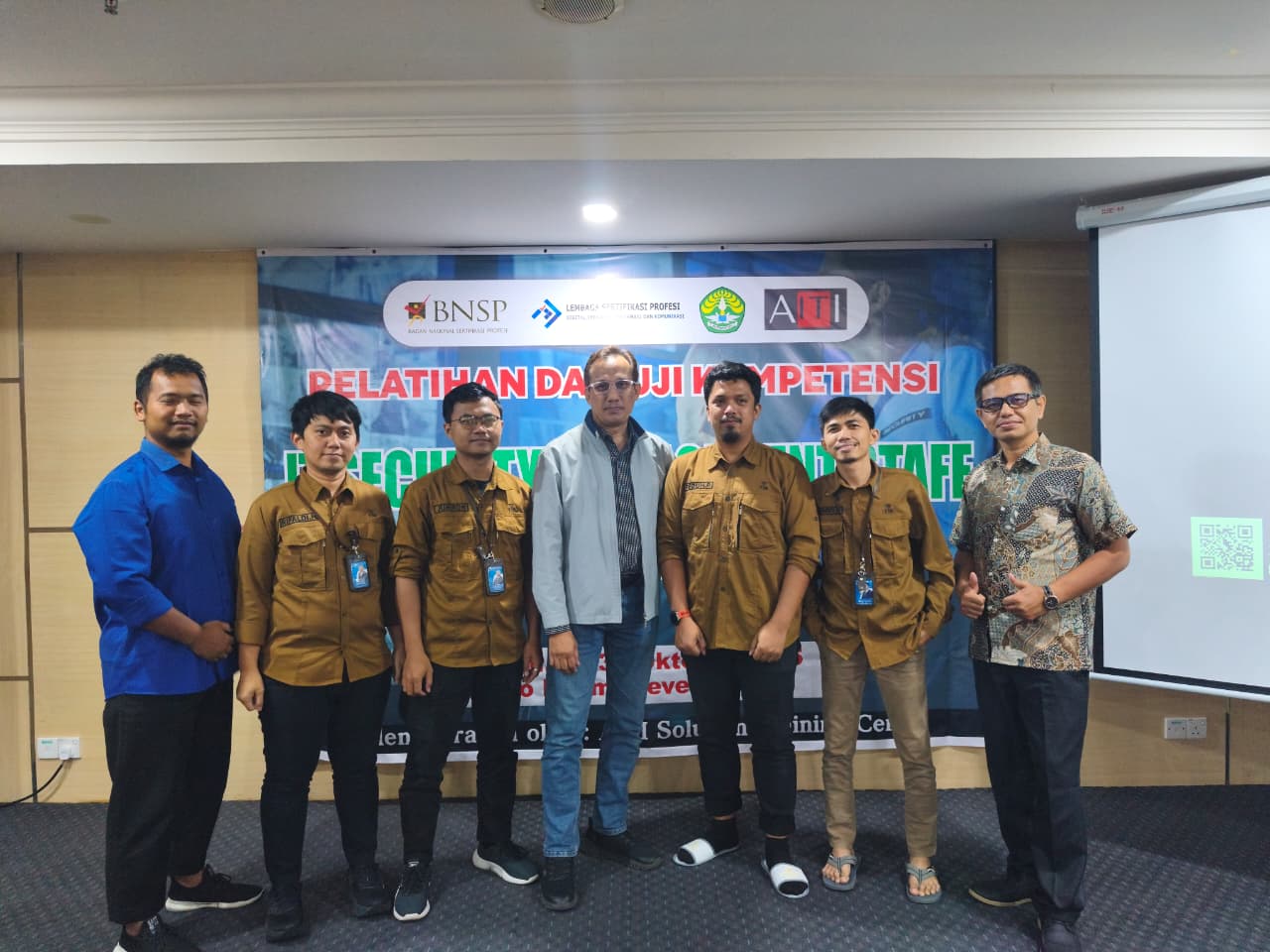
Source: UPA TIK Universitas Riau
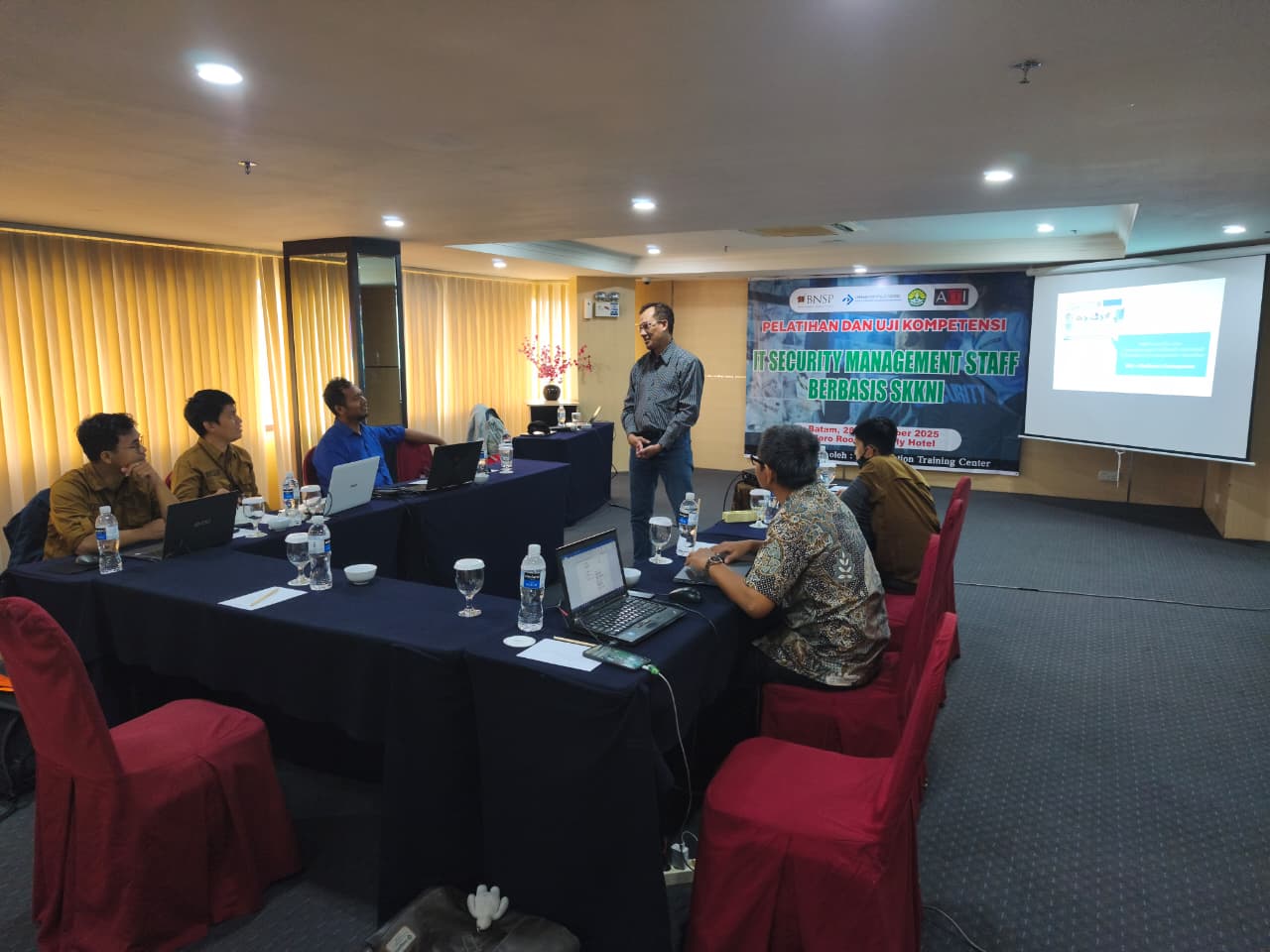
Source: UPA TIK Universitas Riau
Source: UPA TIK Universitas Riau